Table Of Content
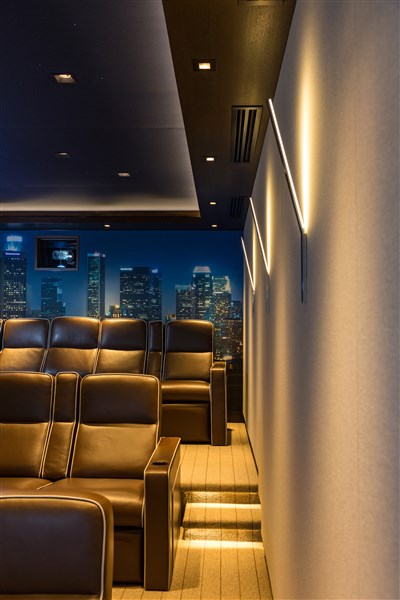
Media, like many modern blockbusters, are designed for a 7.1 system so the audio will come through more clearly than it would on a 5.1 system. Designers Frank Slesinski and Serena Brosio collaborated on the charming living room in the Gatehouse. “One of the main things we did was add a window seat, which looks like it should always have been here,” Slesinski says. “Our whole goal with this space was basically to turn the lights on in the room, bring in the garden that’s outside, and kind of have an experience of a breath of fresh air,” Brosio says.
How big of a projector screen should I get?
The answer to this question will determine the amount of seating, and therefore, the space, you need. Creating a home cinema isn't as complicated, high tech or expensive as it sounds – although you can spend thousands if you want. However, you do need to get the design and technical details right, particularly ensuring that the surround sound noise emitted from it doesn't disturb the rest of the household.
How do you manage cinema light levels?
As long as you go with darker colors, it doesn’t really matter what color you pick. A riser is a platform in a home theater used to raise rear rows of seats so people sitting in the first row don’t block their view. Acoustics refers to the manner in which sound behaves relative to the surrounding space. For example, outdoor and indoor concert theaters are specially designed to optimize sound. While such spaces typically include enhanced and intricate architectural elements which you're not likely to have in your home, you can still apply the same principles to get the most out of your sound system.
What are the options for a home cinema?
This could cause the projected image to look washed out and dull, degrading the experience when watching content with the lights on. Getting an ambient light rejecting projection screen would help the picture look its best even in well lit rooms. All other speakers should be placed at sitting head level, with the exemption of overhead speakers in for example a 5.1.4 system, which should be mounted on the ceiling. The regular speakers can be placed on speaker stands, mounted to the wall or recessed into the walls. The actual placement of the home movie theater speakers depends on the surround sound setup you choose to use. This means surrounding yourself and other viewers with speakers in front of, on the sides, the back of the room and even from above in some setups.
Reference home cinema design launched by Rasike - Installation - Installation and AV Technology Europe
Reference home cinema design launched by Rasike - Installation.
Posted: Fri, 01 May 2020 07:00:00 GMT [source]
Foot-lamberts (ftL) are the unit of measure used by the motion picture industry to specify how much light should be reflected off the movie screen in a 1-foot x 1-foot area. ‘There’s almost no limit on how much you can spend – a top-end projector alone will cost from £100,000, so a high-end home cinema can easily cost from hundreds of thousands,’ says Michael Holmes. You can even program these remotes to dim the lights if you have IR light switches from the likes of Lutron or Varilight. Or you could just go for an app-controlled smart bulb from the likes of Philips Hue, WeMo or Oort.
Media Room Seating
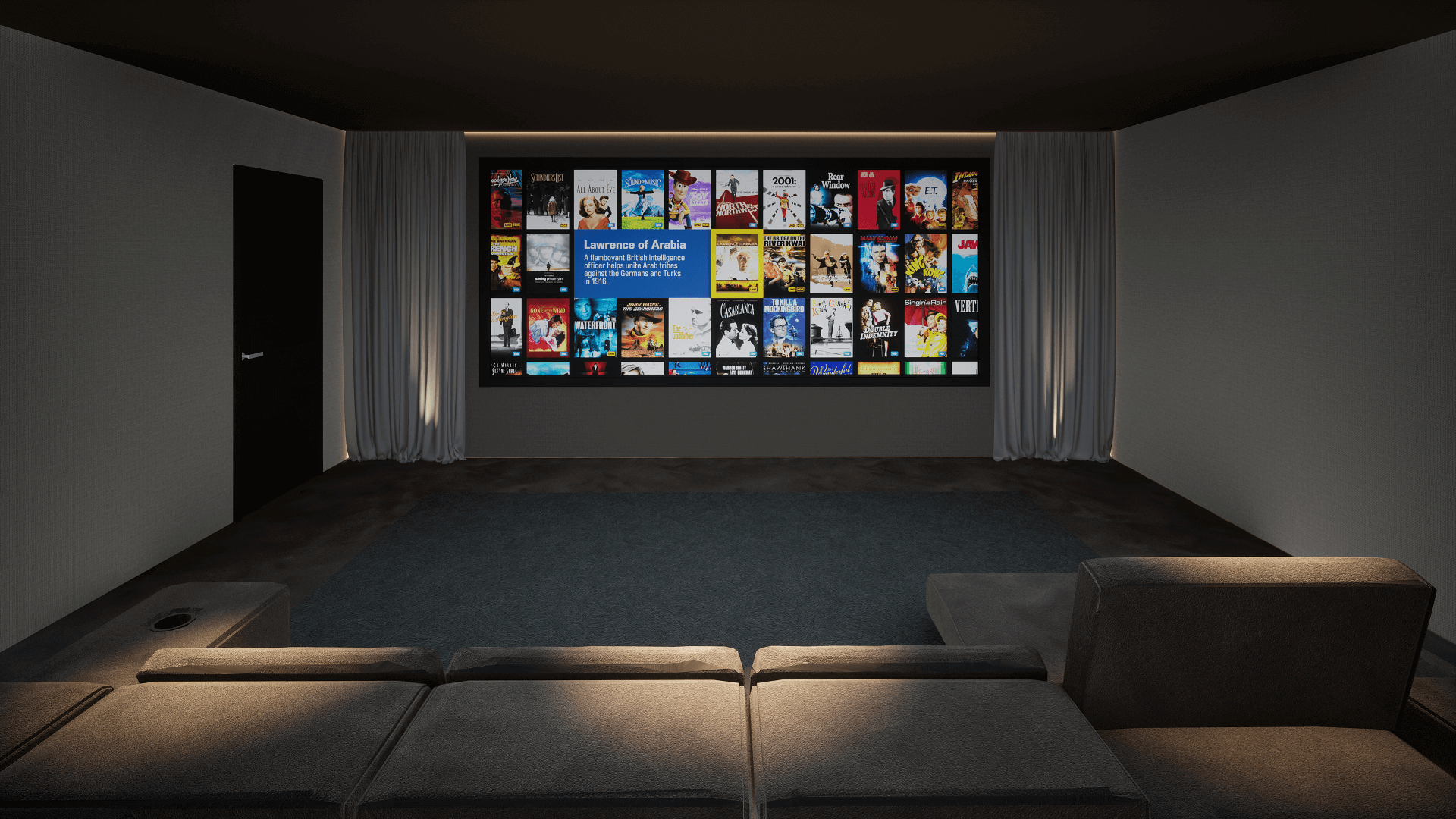
We listen to your needs, suggest solutions & designs, make the plans, and have the best home movie theater builder experts complete the job. Simply put, we take over and build you a home theater from scratch and that would involve several steps. With regards to light fixtures, Soffits, rope lights, dimmers, and recessed lights form the backbone of many home movie theater lighting designs. Some home theater designs have the carpeting go up the walls which can help reduce sound reverberating off the walls. An extra plush carpet can be comfortable enough to lay on for the kids, giving you that much extra seating in your cinema room.
Opt for built-in speakers
Ultra short throw projectors sit directly under the projection surface. Typically UST projectors are ideal for areas with higher amounts of ambient light like a living room. However for small theater rooms, these space saving devices can be a good fit. Because the average American man’s eye level is between 42-48” when seated you should have your screen sit at about that height.
Inspiring Home Theater Layouts
Home cinema lighting is more than just having the ability to turn lights on and off. With £15,000 to £40,000, you can create a two-seat luxury cinema in a garage-size room. Planning the room early and in minute detail will allow you to take steps to conceal the projector or speakers, as well as the cabling.
What Size Should A Home Theater Be?
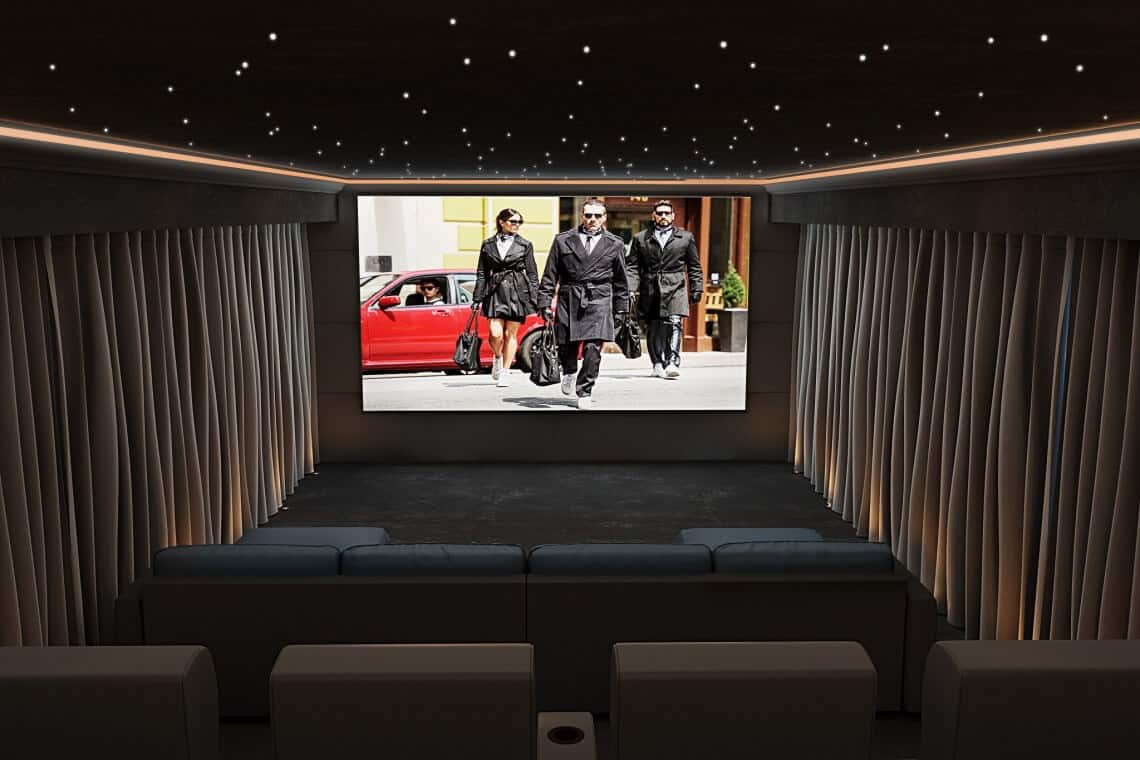
Rather than hiding all the speakers, projector, and everything else that makes this home theater look and sound amazing, this space puts it all in plain sight. This tour by UrAvgConsumer reveals a contemporary design with tech that one can be proud of, so much so that it puts it all on display. Think of the AV receiver as the conductor of your home theater orchestra. This powerful device acts as the central hub of your home theater speaker system, receiving audio and video signals from various sources and distributing them to your display and surround speakers.
Regardless of a speaker's rated watts, the THD (Total Harmonic Distortion) differs with each speaker system. It is recommended that you use professional installers who have experience with overhead speakers as they can be more complicated to set up correctly. The higher the ftL, the brighter the image will be for the audience.For designing a home theater, a good rule of thumb is to have a total luminance of between ftL in a dedicated theater space. Anything lower than 16ftL in a completely dark room is not recommended.
There are a few ways you can soundproof your movie watching room. When it comes to brightness you'll typically want an at home movie theater projector with at least 1,500 lumens. You'll need at least 2,500 if you plan to watch content with the lights on. Some people build a shelf in the back of their movie room where they can place the projector along with other components like the media player and home theater receiver.
The rated watts each speaker has dictates the loudness of the speaker or total DB (Decibels) of output. You don't want any of your speakers to be fully maxed out, though. Therefore, you should get a system that will play your loudest intended volume at 80% and your standard TV watching volume at 20-30%, to avoid speaker damage or distortion over time. Speaker quality is officially measured in THD (Total Harmonic Distortion) with a power harmonics analyzer.
Whatever source of video you're using, home cinema is 50% about sound, and only a 5.1, 7.1 or 9.1 surround sound system will help recreate the multiplex experience. Generally speaking, colours should be from the darker end of the spectrum as this will reduce the light levels in the room and “increase” the brightness of your display. Paint finishes should be as matte as possible to reduce or eliminate reflections which can cause distractions when viewing. Our favourite paint ranges are the Farrow & Ball Estate Emulsion range and the Little Greene Absolute Matt Emulsion range.


No comments:
Post a Comment